The Identity Lock: Stop Saying “I’m Trying” and Start Saying “I Don’t Quit” (A Bell-Based Reframe That Sticks)
You miss one workout. Then two. The project you “started” sits open in a tab for weeks. You tell yourself, “I’m trying,” and it sounds reasonable. It even sounds responsible. Yet the pattern keeps repeating.
Here’s the simple problem: the words you repeat become a story about you. That story quietly drives what you do next. Over time, a small phrase can turn into an Identity Lock, a mental latch that makes a label feel true, even when it’s hurting you.
This post gives you a practical reframe that doesn’t rely on hype. You’ll use a “bell” (any consistent sound cue) to create a clean decision point, then practice “I don’t quit” in a way that feels real. You can use it today, even with low motivation.
The Identity Lock, how one small phrase becomes a self-fulfilling label

The Identity Lock is what happens when repeated self-talk turns into a rule. Not a goal. Not a preference. A rule. Your brain likes rules because they save energy. If you say something often enough, your mind starts treating it like a shortcut for decisions.
That’s why language matters. Process language keeps the door open. “I’m learning,” “I’m practicing,” or “I’m building consistency” points you back to action. Vague effort language can do the opposite. “I’m trying” sounds like action, but it often comes with a hidden escape hatch.
When you say “I’m trying,” you might mean, “I care.” However, your brain can also hear, “This is optional.” As a result, follow-through drops right when it matters most, when you’re tired, bored, or embarrassed.
Think about an everyday example: job searching. You tell a friend, “I’m trying to apply more.” It’s honest, but it’s also foggy. How many applications? When? What happens after a rejection? With enough repeats, the phrase becomes part of your identity: “I’m someone who tries, then drifts.”
The good news is you can change the lock the same way it formed. You replace the phrase, then build proof that the new one is true.
The hidden message inside “I’m trying”
“Trying” often protects your ego. If it doesn’t work, you can still say you tried. That can feel safer than committing. The problem is that safety can become an exit ramp.
Here are a few common lines and cleaner rewrites that don’t sound extreme:
- “I’m trying to be consistent” becomes “I’m practicing consistency, I’ll do a small version even on busy days.”
- “I’m trying to wake up early” becomes “I’m setting one alarm, and I’ll stand up when it rings.”
- “I’m trying to eat better” becomes “I’m choosing one better meal today, then I’ll repeat it tomorrow.”
Notice the pattern. The rewrite isn’t louder. It’s clearer. It turns effort into a choice you can actually do.
Why identity-based words stick harder than goals
Goals are targets. Identity is a rule about who you are. When your actions and identity clash, identity usually wins because it feels personal.
Someone who says, “I’m not a runner,” will find reasons to stop running. That person might skip a jog because it’s windy, then call it proof. On the other hand, “I’m becoming someone who moves daily” creates room for change. A walk counts. Ten minutes counts. The identity stays intact, so behavior follows more often.
Identity language works best when it’s grounded. You don’t need to claim perfection. You need a rule you can return to.
The bell-based reframe, turn “I don’t quit” into a repeatable habit

“I don’t quit” can sound cheesy if it’s just a slogan. This is where the bell-based reframe helps. The “bell” is any consistent sound cue that marks a decision point: a phone chime, a kitchen timer, a small desk bell, even a single clap if you’re alone.
The goal isn’t hype. It’s a reset. You’re training your brain to recognize the moment you usually fade out, then choose a smaller action instead.
First, pick one habit you’ve been “trying” to do. Keep it simple: writing, workouts, studying, applying for jobs, reducing screen time. Next, choose your bell sound. Make it easy to access in two seconds. Then decide what “return” looks like for that habit.
Because the phrase matters, define it clearly: “I don’t quit” means “I return,” not “I never rest.” Rest can be planned. Quitting is abandoning the return.
Here’s a practical method you can copy today:
- Set up your bell (sound cue) where you’ll use it most.
- When you feel yourself drifting, ring it once.
- Say the reframe out loud, then do one tiny next step for 60 seconds.
- Stop after 60 seconds if you want, but log the return.
That last part is key. You’re not forcing a full session. You’re building proof.
The bell doesn’t create motivation. It creates a moment of choice.
How the bell works (cue, choice, closure)
The loop has three parts.
Cue: Ring the bell when you feel like stopping. Not after you quit. Do it at the edge, when you start bargaining.
Choice: Say a short reframe that points to identity. “I don’t quit” works because it’s direct. It’s also easy to remember under stress.
Closure: Take one tiny next action for 60 seconds. This is your “receipt.” Without action, the phrase stays motivational fluff.
Sound helps because it interrupts the spiral. It also creates a clean break between “old autopilot” and “new choice.” Over time, the cue becomes linked to follow-through. The bell becomes a small ritual that tells your brain, “We return here.”
A 2-minute script you can use when motivation drops
Keep the script private and plain. Whisper it if you want. The point is consistency, not drama.
Say this:
“I don’t quit, I pause and return. What is the next smallest step. I can do 60 seconds.”
Then pick one of these examples:
- Fitness: “I don’t quit, I pause and return. I’ll put on my shoes and walk for 60 seconds.”
- Writing: “I don’t quit, I pause and return. I’ll write one messy paragraph for 60 seconds.”
- Sobriety or screen time: “I don’t quit, I pause and return. I’ll drink water and wait 60 seconds before I choose.”
After the minute, you can stop. Still, you’ll usually keep going because starting removes friction. Even if you stop, you won the real battle: you returned.
Make it stick, build proof on hard days without burning out
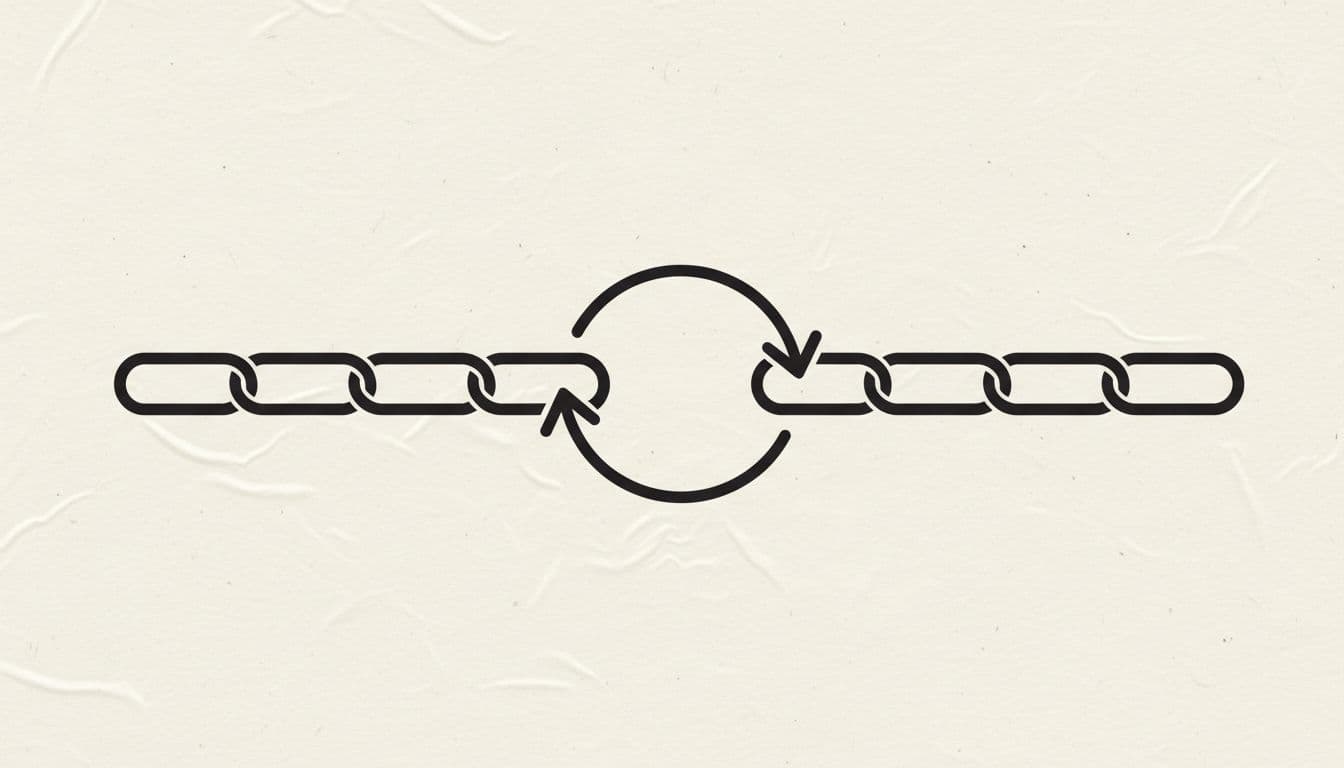
Identity changes through evidence. If you want “I don’t quit” to feel true, you need small wins you can point to on rough days. That doesn’t mean grinding. It means collecting returns.
Use tracking that takes under 30 seconds. A note on your phone works. So does a paper calendar with a dot. Each day you return, mark it. The mark is a vote for the identity.
At the same time, add guardrails so this doesn’t become toxic hustle. Your new identity isn’t “I push through anything.” It’s “I come back on purpose.”
The “return rule,” never miss twice, never restart from zero
“I don’t quit” works best as a return rule: if you miss a day, you come back with a smaller version. You protect the chain.
If you skip a workout, return with a 5-minute walk. If you miss a writing session, return with 50 words. Keep the action almost too easy. Consistency beats intensity when life gets messy.
When you should not ring the bell (rest is not quitting)
Sometimes the right move is rest. Sickness, injury, real emergencies, and serious sleep debt count. In those moments, forcing the bell can turn discipline into self-punishment.
Use this quick test: “Will resting today help me return tomorrow?” If yes, rest is part of the plan.
On rest days, swap the phrase to: “I recover on purpose, then I return.”
Rest protects the habit. Quitting abandons it.
Conclusion
“I’m trying” can leave a door open to drift. “I don’t quit” closes that door, but only if it’s tied to action. The Identity Lock forms from repeated words, and it breaks the same way, with a better phrase and proof behind it. The bell-based reframe gives you a simple moment to return when motivation drops.
Pick one goal. Choose a bell sound you can use in two seconds. Then run the 60-second next step today. The real win isn’t perfection, it’s returning.