Your Support Crew Matters: How to Ask for Help Without Shame (Lessons From Team-Based Training)
Last week, someone I know tried to carry everything alone. Work was heavy, family needed them, sleep was short. They kept saying, “I’ll handle it,” until their patience ran out and their body followed. The hard part wasn’t the workload. It was the silence.
Many of us learned that needing help means we failed. Yet in team-based training, support is normal. Athletes use spotters. Fire crews use buddies. Project teams use check-ins and back-ups. Nobody treats help like a moral flaw, it’s just part of the system.
This post shows how to ask for help without shame by borrowing the habits teams use every day, then turning them into simple words you can use tonight.
What team-based training teaches us about asking for help
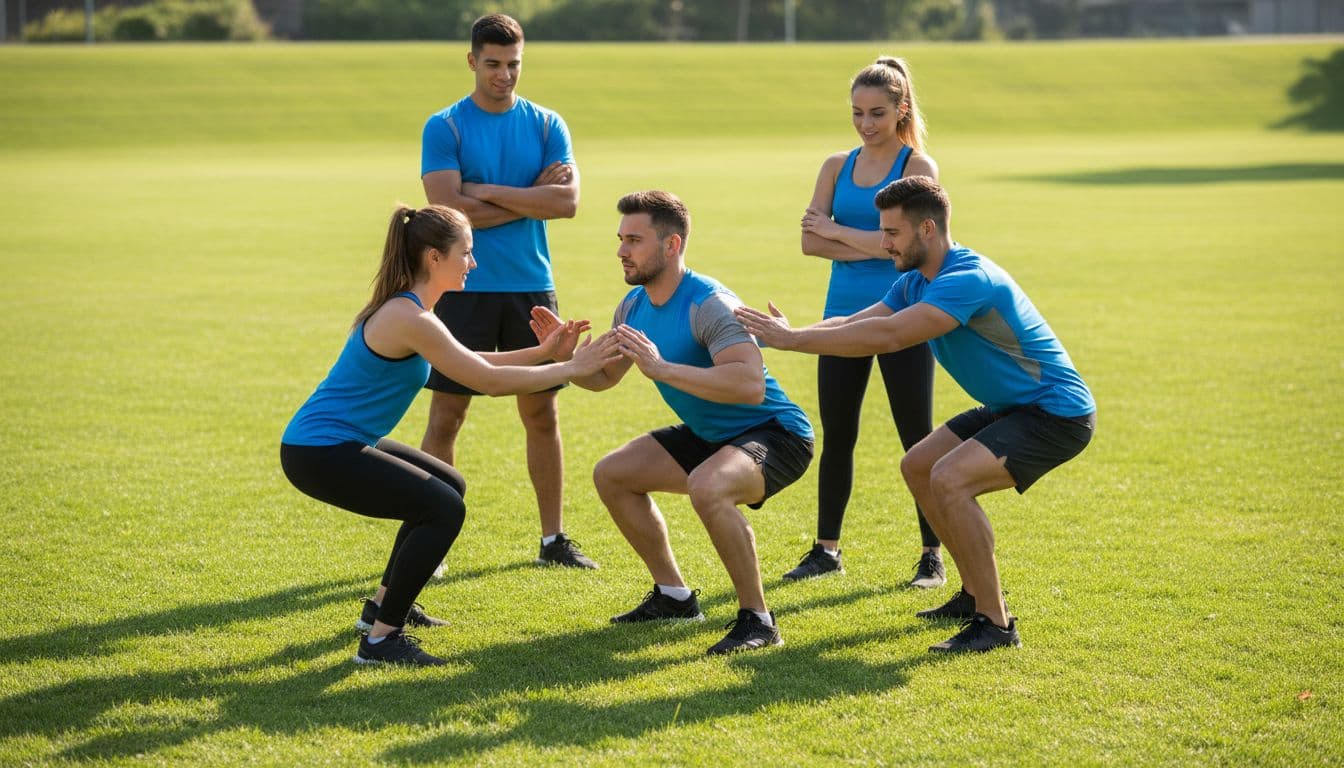
In team training, the strongest people don’t “go solo.” They build routines that catch problems early. That’s true in sports, military units, fire crews, group fitness classes, and even high-pressure work teams.
Think about a lifter under a heavy bar. The spotter isn’t there because the lifter is weak. The spotter is there because the weight is real and form breaks under stress. The same thing happens in everyday life. Stress narrows your options. Sleep loss makes you forget. Anxiety makes decisions feel dangerous. Support is how you widen the lane again.
Here’s the big lesson: high performers rely on systems, not willpower. A runner uses a coach for pacing. A new parent uses a neighbor for a quick pickup. A student uses a study buddy to stay on track. In each case, help protects the goal instead of threatening pride.
Teams plan for struggle, they do not wait for a crisis
Teams don’t “hope it works out.” They plan. Before training or an operation, people review roles, risks, and signals. They agree on check-ins. They also decide what happens if things go sideways.
You can do the same at home. Pick early signals that mean you should reach out, not later. For example: you snap at small things, you skip meals, you stop replying to friends, you re-read the same email five times.
Then make a tiny plan: who you’ll contact, what you’ll ask for, and what “urgent” means. When you decide ahead of time, asking feels less dramatic. It becomes a normal step, like refilling water before you’re thirsty.
Clear roles reduce embarrassment and confusion
In training, roles are obvious. A coach corrects form. A captain keeps the plan. A medic handles injuries. A buddy watches your back. That clarity lowers stress, because you don’t have to guess who does what.
Your support crew works better with the same idea. One person can be your calm listener. Another can help you solve the problem. Someone else can do practical help like childcare or rides. Role clarity also keeps you from over-sharing with the wrong person. It makes the ask smaller and cleaner, which lowers shame.
If you feel embarrassed asking, the ask is usually too vague. Make it one job, one time, one next step.
How to ask for help without shame (a simple script that works)

Shame grows in the fog. Clear language shrinks it. In team settings, requests are direct because time matters. You can borrow that tone without sounding cold.
Before you reach out, answer one question: “What would make the next 24 hours easier?” Not your whole life. Just the next day.
Name the need, name the time, name the next step
Use this simple framework:
- What’s happening (one sentence, no long backstory)
- What I need (one clear thing)
- When I need it (today, by 5 pm, this weekend)
- Permission to say no (so it’s safe for them)
- What I’ll do next either way (so you stay steady)
Two mini scripts you can copy:
Emotional support (2 to 3 sentences):
“Hey, I’m having a rough day and my head won’t slow down. Can you talk for ten minutes tonight, just to listen? If now’s not good, no worries, I’ll take a walk and try you another time.”
Practical help (2 to 3 sentences):
“I’m overloaded this week and I’m falling behind. Could you pick up my kid at 3 pm on Thursday, or help me find someone who can? If you can’t, totally okay, I’ll message two other people.”
Texting vs talking: if you’re asking for logistics, text works well because details stay written. If you’re asking for comfort, a call or voice note often feels warmer and faster. Either way, keep it short.
Also, add consent when the topic is heavy. Try: “Do you have space for something real?” That one sentence prevents dumping stress on someone who’s already maxed out.
Handle the three fears that stop most people
Fear #1: “I’m a burden.” In team training, spotting rotates. Today it’s you. Tomorrow it’s them. If you only accept help and never give it, that’s a problem. Asking itself isn’t.
Fear #2: “They’ll reject me.” A “no” is often about time, not love. Teams expect misses and build backups. You can too.
Fear #3: “I’ll look weak.” In training, hiding an injury is what gets people hurt. Early help is strength because it protects performance.
If they say no, keep your dignity and the relationship:
“Thanks for telling me. I get it. I’ll ask someone else, and we can catch up later.”
That line does two things. It respects their boundary, and it reminds your brain that you’re still safe.
Build a support crew that actually shows up

A real support crew isn’t a huge group chat. It’s a small circle that knows how to respond. Busy adults don’t need more contacts, they need more reliability.
Start by choosing people who are steady, kind, and private. Then make your asks fit their nature. The friend who loves solving problems might not be your best listener. That’s not a flaw, it’s a role.
Pick 3 to 5 people and give each a job
Think “support roster,” not “best friend for everything.” You might have:
- a listener for hard days
- a problem-solver for planning and options
- a practical helper for rides, meals, errands
- a pro when the issue needs training and care (therapist, coach, doctor, HR)
One safe person is enough to start. Add slowly as trust grows. Also, if you’re dealing with panic, addiction, trauma, or medical symptoms, choose a professional sooner, not later.
Strengthen the crew with small reps, not big emergencies
Teams don’t wait for the championship to practice. They run drills. Your life can use the same idea.
Make low-stakes asks: “Can you read this text before I send it?” “Can you spot me for one set?” “Can I vent for five minutes?” Those small reps teach your body that asking is safe.
A simple habit helps: send one weekly check-in text to a key person. Then close the loop after they help. Say thank you, share the outcome, and offer support back when you can.
Conclusion
Strong people don’t try to be unbreakable. They build support systems that keep them steady when life gets heavy. Team-based training proves it: struggle is expected, roles stay clear, and asking early prevents damage.
Do one thing today. Write down your top two needs, pick one person, and use the script in this post. Keep it short, give them room to say no, and follow through on your next step either way. Shame fades with practice, and your support crew gets stronger every time you use it.