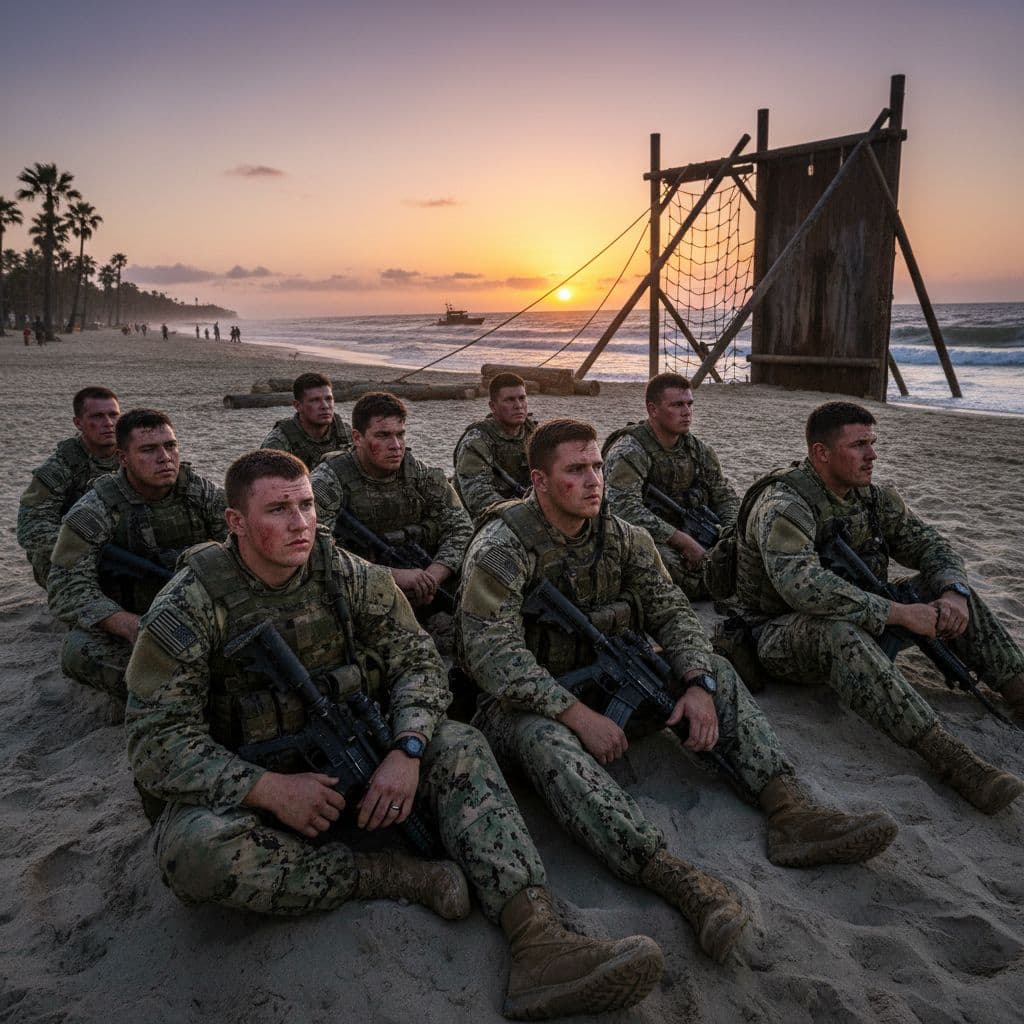
The Bell You Don’t Ring: Navy SEAL Training Rules for Staying in the Fight on Hard Days
In Navy SEAL training, there’s a bell you can ring to quit. It’s simple, loud, and final. That idea sticks because hard days also offer “bells” everywhere, the angry email, the skipped workout, the extra drink, the endless scrolling, the silent shutdown.
This isn’t about being tough all the time. It’s about staying engaged with life when you’re tired, stressed, grieving, burned out, or overwhelmed. The goal is safer, calmer progress, using small rules that you can apply in minutes.
One quick safety note: if you’re in danger, being abused, or in a mental health crisis, don’t “push through.” Get help now from trusted people, local services, or emergency support.
What “don’t ring the bell” really means on a hard day
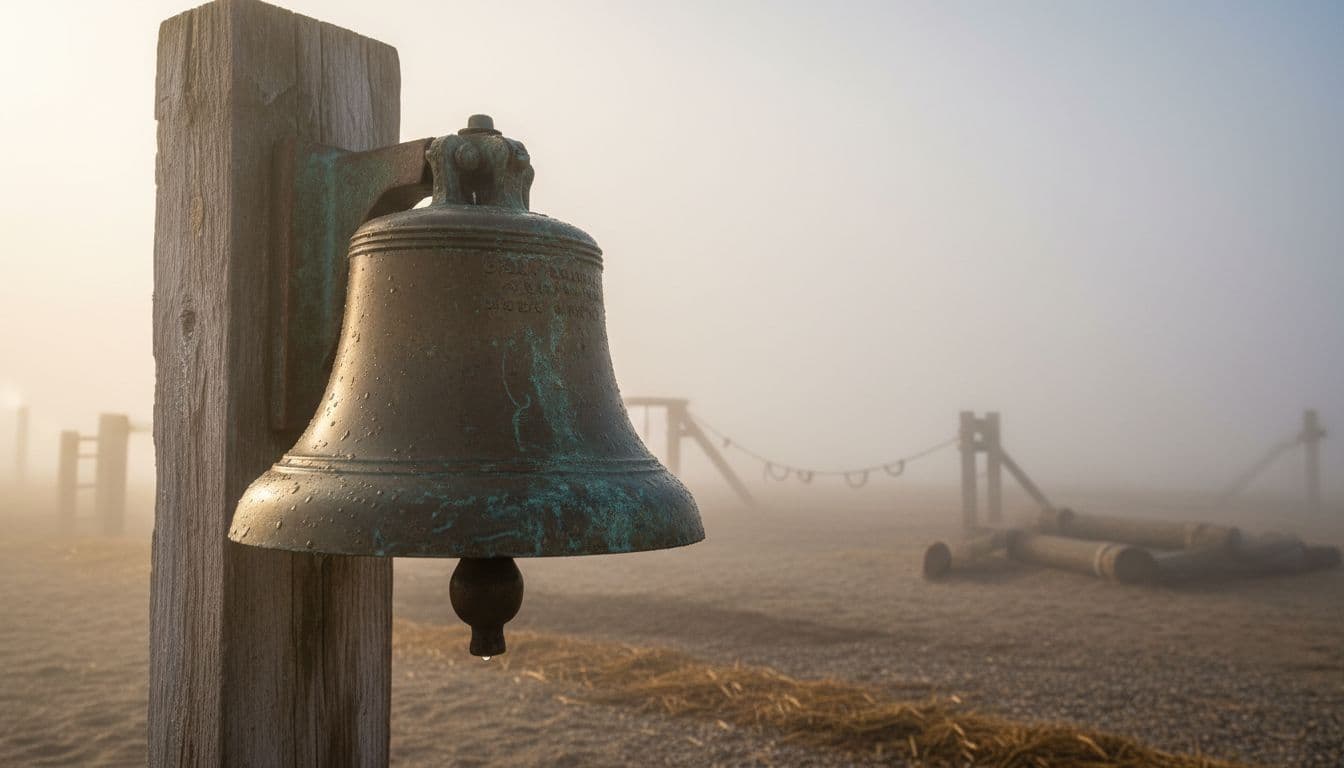
“Don’t ring the bell” works best as a metaphor, not a dare. It doesn’t mean you chase pain. It means you don’t make a permanent decision in a temporary storm.
On a hard day, the real win is usually smaller than you think. It’s staying present and taking the next right action, even if it’s tiny. You’re not trying to “win the whole war” today. You’re trying to keep your footing.
Think of it like finishing one task when you want to bail. Maybe you don’t feel inspired, but you can still open the document and write one rough paragraph. That’s staying in the fight. Not glamorous, but it keeps your life moving.
The key is this: refusing to ring the bell is different from refusing to rest. Planned recovery is part of performance.
Quitting vs calling a smart time-out: how to tell the difference
A smart time-out protects your future self. Impulsive quitting usually trades future pain for short-term relief.
Use this quick check before you decide:
- Safety first: Am I hurt, at risk, or mentally unsafe right now?
- Health basics: Have I slept, eaten, hydrated, or moved at all?
- Values: Will this choice match who I want to be tomorrow?
- Long-term cost: Will this make the next week harder?
A smart time-out can look like sleeping, eating real food, or asking someone to step in. By contrast, impulsive quitting often looks like firing off a rage email, doom scrolling for hours, or skipping a key commitment with no plan.
Rest is not failure. It’s a strategy.
The one promise you make: you can stop later, but not right now
Hard feelings peak, then fade. That’s why delaying the “quit” decision helps. You’re not denying reality, you’re refusing to decide while flooded.
Make a simple promise: not now. Decide later, after your body calms down and your brain comes back online.
“I’m allowed to stop later. I’m not deciding that right now. I’ll do the next 10 minutes, then I’ll reassess.”
Say it out loud if you can. Keep it plain. Keep it kind.
Seven practical SEAL-style rules for staying in the fight

These aren’t official SEAL quotes or secret hacks. They’re training-inspired principles that translate well to regular life, work deadlines, parenting stress, health goals, and grief. Each rule gives you a next move you can do fast.
You don’t need all seven today. Pick one, run it, then stack another.
Rule 1: Shrink the mission to the next 10 minutes
When everything feels heavy, stop trying to solve the whole day. Choose one small mission for the next 10 minutes.
Do this in under 2 minutes: pick one task, remove one friction point, set a timer, start. When the timer ends, you can stop or choose the next 10.
It works because action creates traction. Motivation often shows up after you begin.
Everyday example: open the document, write one messy paragraph, save it, then decide what comes next.
Rule 2: Control what you can control, then let the rest go
Hard days get worse when you wrestle what you can’t control. Shift attention back to your “control circle.”
In 30 seconds, name three controllables (breath, posture, words, next action, asking for help). Then do one of them right now. Let the rest sit outside the circle (other people, outcomes, the past, timing).
This works because your brain likes clear targets. Control brings calm.
Example: you can’t control the meeting outcome, but you can control your notes and your tone.
Rule 3: Get warm, get fed, get hydrated, then decide
Low fuel makes everything feel personal. Before you make a big choice, handle basics.
Fast reset: drink water, eat a protein snack, get warm (shower or hoodie), and step outside for one minute of air. Then decide.
This works because mood is tied to the body. When your system steadies, your thinking improves.
Caffeine can help, but it can also spike anxiety. Alcohol can numb, but it often adds shame and poor sleep. Keep it simple and honest.
Rule 4: Breathe like you mean it, then move your body
Stress locks up your breath and your body. Unlock both on purpose.
Try box breathing: inhale 4, hold 4, exhale 4, hold 4. Do four rounds. Then move for two minutes, a brisk walk, 20 squats, or a few push-ups against a counter.
This works because breathing and movement lower stress signals. Focus returns faster.
Example: before you answer a tough message, breathe, walk to the mailbox, then reply.
Rule 5: Talk to yourself like a calm teammate, not a bully
A bully voice doesn’t create grit. It creates panic. On hard days, you need a steady teammate in your head.
Replace harsh lines with usable ones:
- “I can’t” becomes “I can do one part.”
- “I’m failing” becomes “I’m having a rough moment.”
- “This will never end” becomes “This will change if I take one step.”
Quick exercise: write the thought, rewrite it in a calmer voice, then take one small action. The action matters more than the perfect words.
Rule 6: Use a buddy check, don’t do it alone
Teams don’t hide damage. They report it early. If you’re struggling, send a simple buddy check.
Text template: “Today’s rough. Can you check in with me later? I’m trying to stay on track.”
If you don’t have someone close, look for a support group, a mentor, a therapist, or a trusted community leader. If you’re at risk of harming yourself, contact the 988 Suicide and Crisis Lifeline (US) or your local emergency number.
Asking for help is a skill, not a weakness.
Rule 7: End the day with an after-action review, then sleep
Don’t carry today into tomorrow unprocessed. Do a 3-minute after-action review (AAR):
What happened? What went well? What needs fixing? What will I do next time?
Then write a tiny plan for tomorrow: one must-do, one nice-to-do. After that, protect sleep like it’s part of training, because it is.
This works because reflection turns pain into learning. Sleep turns effort into recovery.
Put the rules to work: a simple plan for mornings, mid-day crashes, and late-night spirals

Rules help most when you don’t have to think. So build a few default routines. Use them like guardrails, especially on days when your emotions feel louder than your judgment.
Here’s a simple way to apply the same tools at different times.
Morning: start steady before life hits you
Give yourself five minutes of “quiet control” before messages and noise.
Drink water first. Then do one minute of box breathing. Next, pick your next 10-minute mission and start it.
If possible, keep your phone away for those first minutes. That small gap reduces reactive choices.
Even on chaotic mornings, you can still win the opener. That sets the tone for everything after.
Mid-day or late night: an emergency reset when you feel like quitting
When you feel shaky, angry, numb, or stuck in doom scrolling, avoid big decisions. You’re probably flooded.
Do this now sequence:
- Pause and name it: “I’m flooded.”
- Box breathe for one minute.
- Water and a small snack, then warm up (hoodie or shower).
- Send a buddy text.
- Do the next 10 minutes only, then reassess.
Small actions break spirals because they give your brain proof you’re not powerless.
When not ringing the bell is the wrong move
Some bells should be rung. Stopping can be the brave move when staying causes harm.
Quit or pause immediately if you’re injured, in an unsafe environment, facing abuse, nearing relapse, or sliding into severe burnout. The same goes for suicidal thoughts, self-harm urges, or feeling out of control.
If you’re not safe, the mission is getting help, not pushing through.
Talk to a professional. Contact a trusted person. Use crisis resources if needed (in the US, you can call or text 988). If there’s immediate danger, call emergency services.
Staying in the fight never means staying in harm.
Conclusion
Hard days tempt you to ring a bell in a hundred small ways. Instead, try these Navy SEAL training-inspired rules: shrink the mission to 10 minutes, focus on what you control, handle basics, breathe and move, use calm self-talk, do a buddy check, and end with a quick review plus sleep. Pick one rule to try today, save the emergency reset for later, and text a buddy before you spiral. Progress is built from small choices, especially when the day feels heavy.